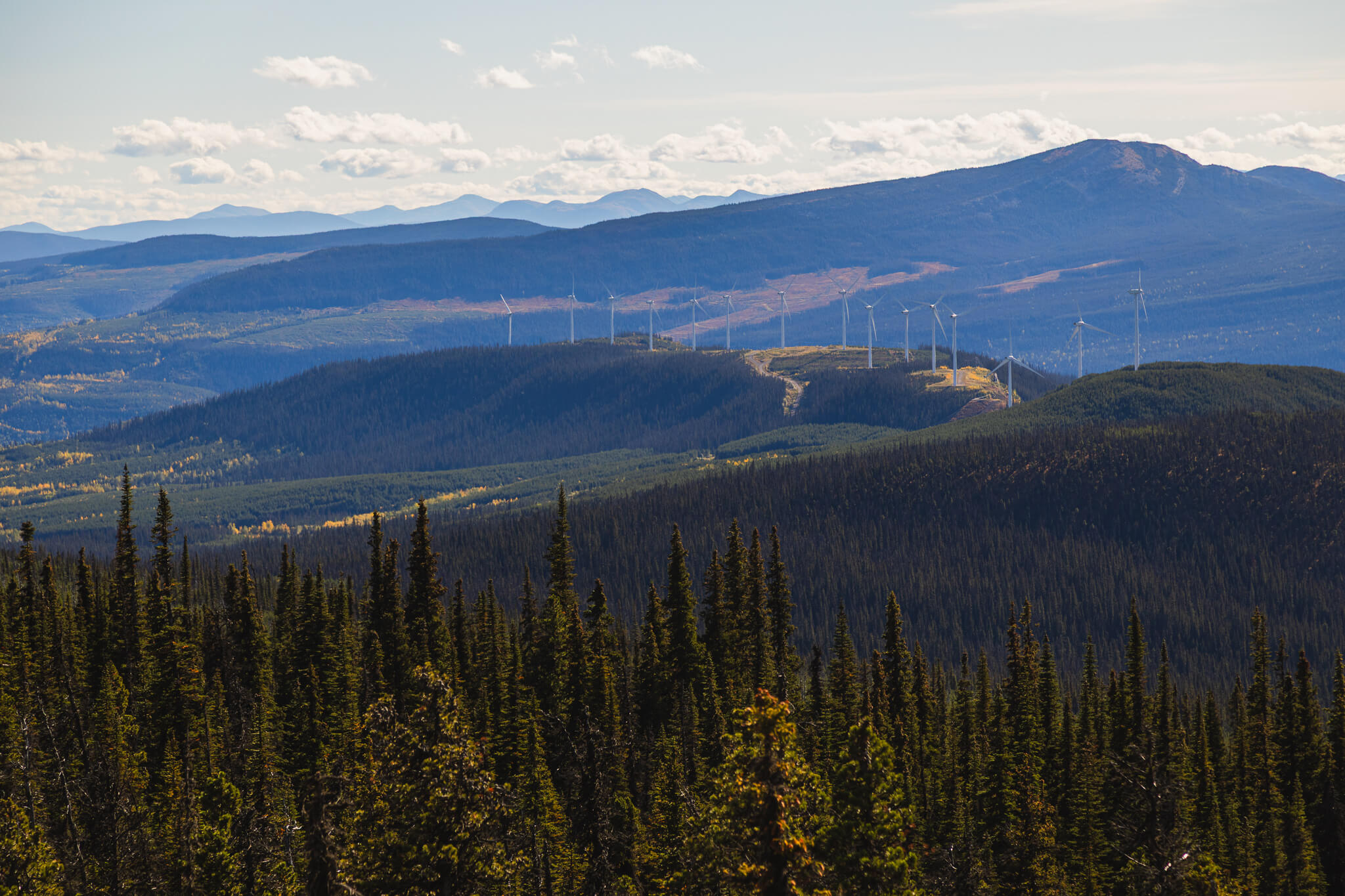
During the operations phase (30 year EPA term), the Ni Ti Mountain Wind Project will generate 200 MW of renewable energy for British Columbia while creating jobs, supporting local and Indigenous businesses, and advancing reconciliation through Indigenous leadership. By combining clean energy with economic growth and environmental stewardship, the project strengthens communities and the region for decades to come.
A Range of Project Benefits
Long-Term Clean Energy for BC
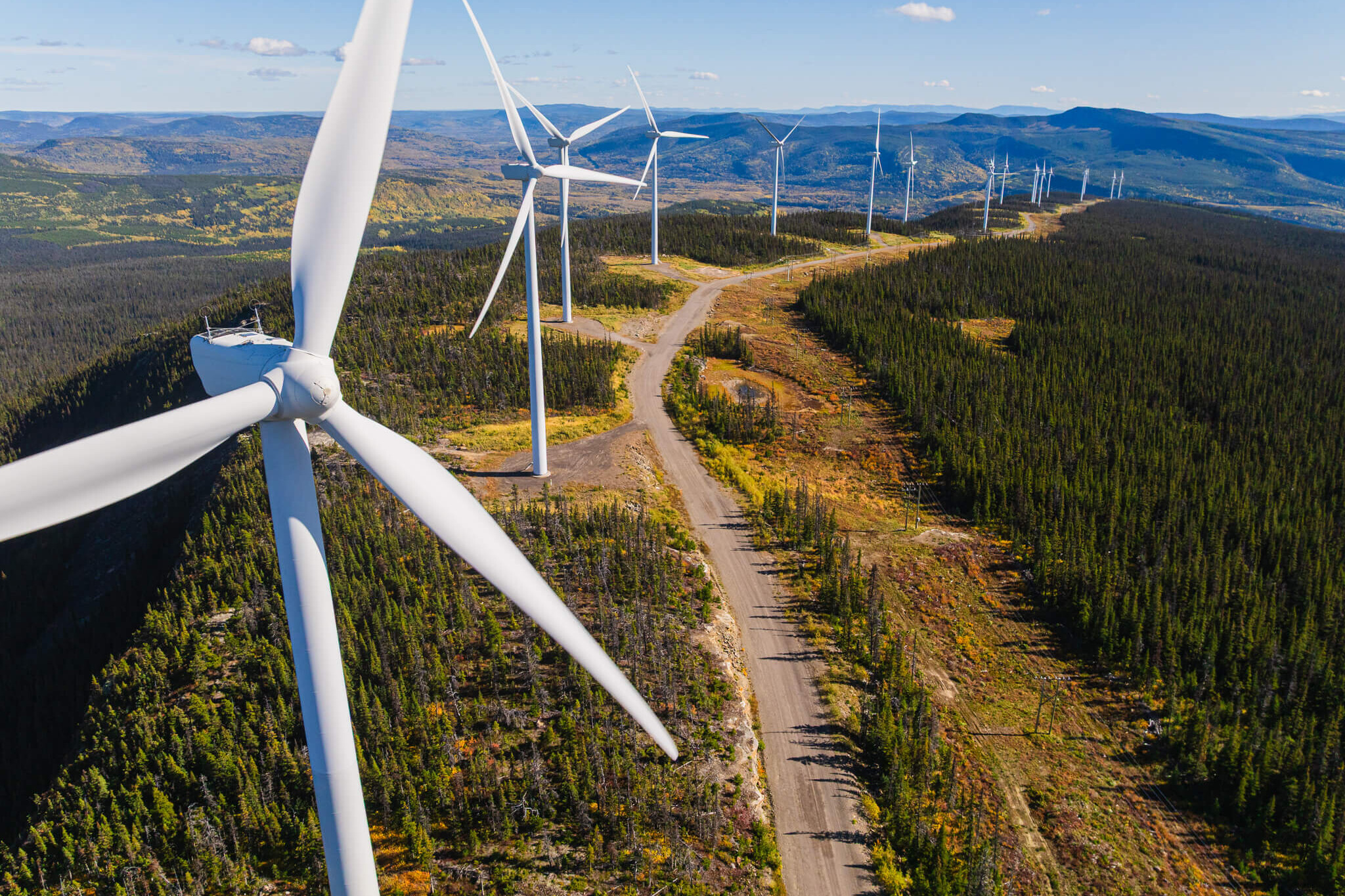
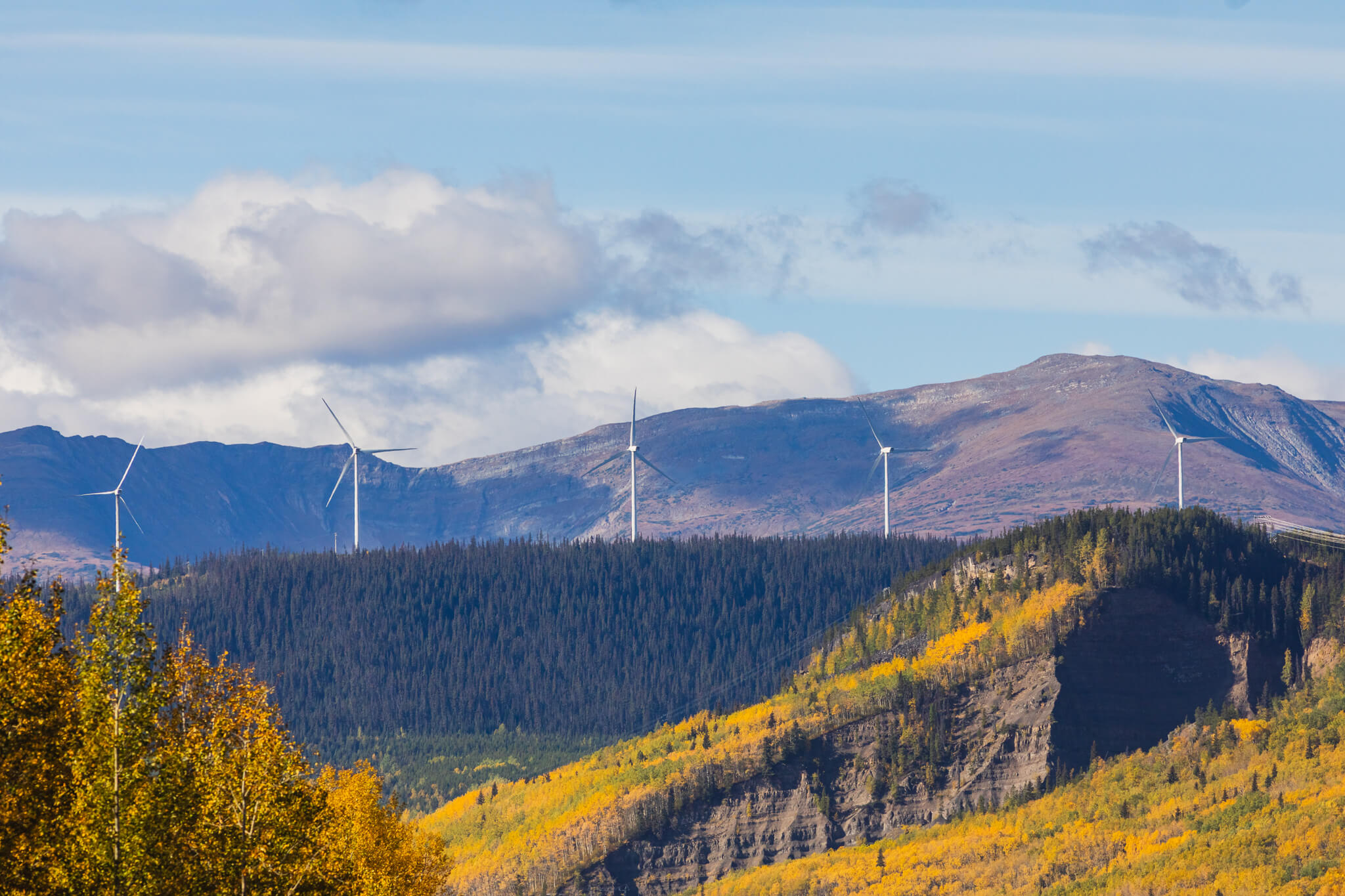
The project will supply 200 MW of renewable wind energy, generating clean, local electricity for communities across British Columbia. This reliable energy source will contribute to provincial climate goals and provide environmental benefits for at least 30 years.
Sustained Local Economic Benefits
Over the 30‑years of operations, the project includes a revenue-sharing commitment with project partners, creating meaningful long‑term financial benefits.
In addition, the project will provide ongoing tax payments to the Regional District of Bulkley‑Nechako, supporting public services and regional development initiatives.
Job Creation and Local Employment
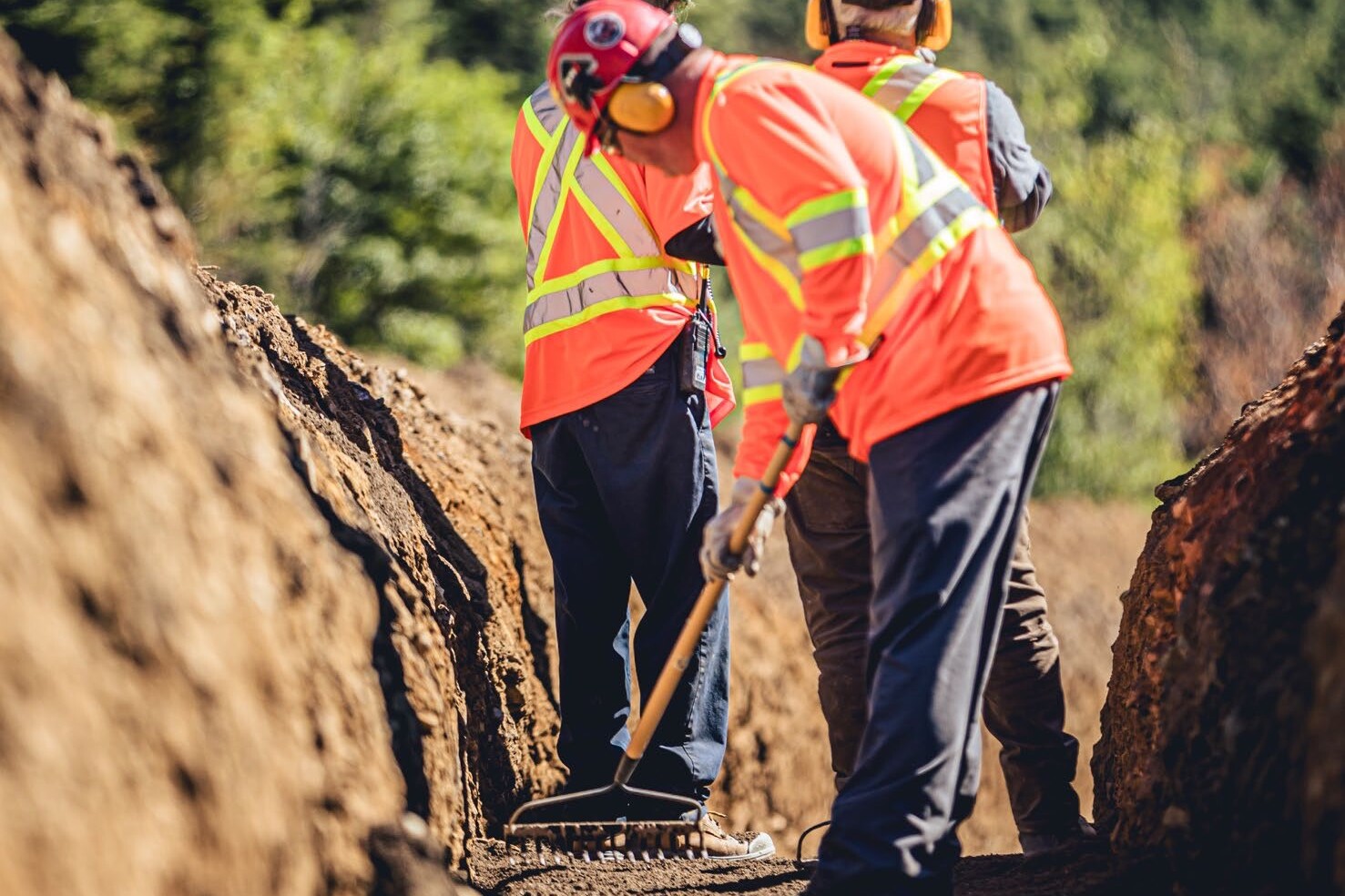
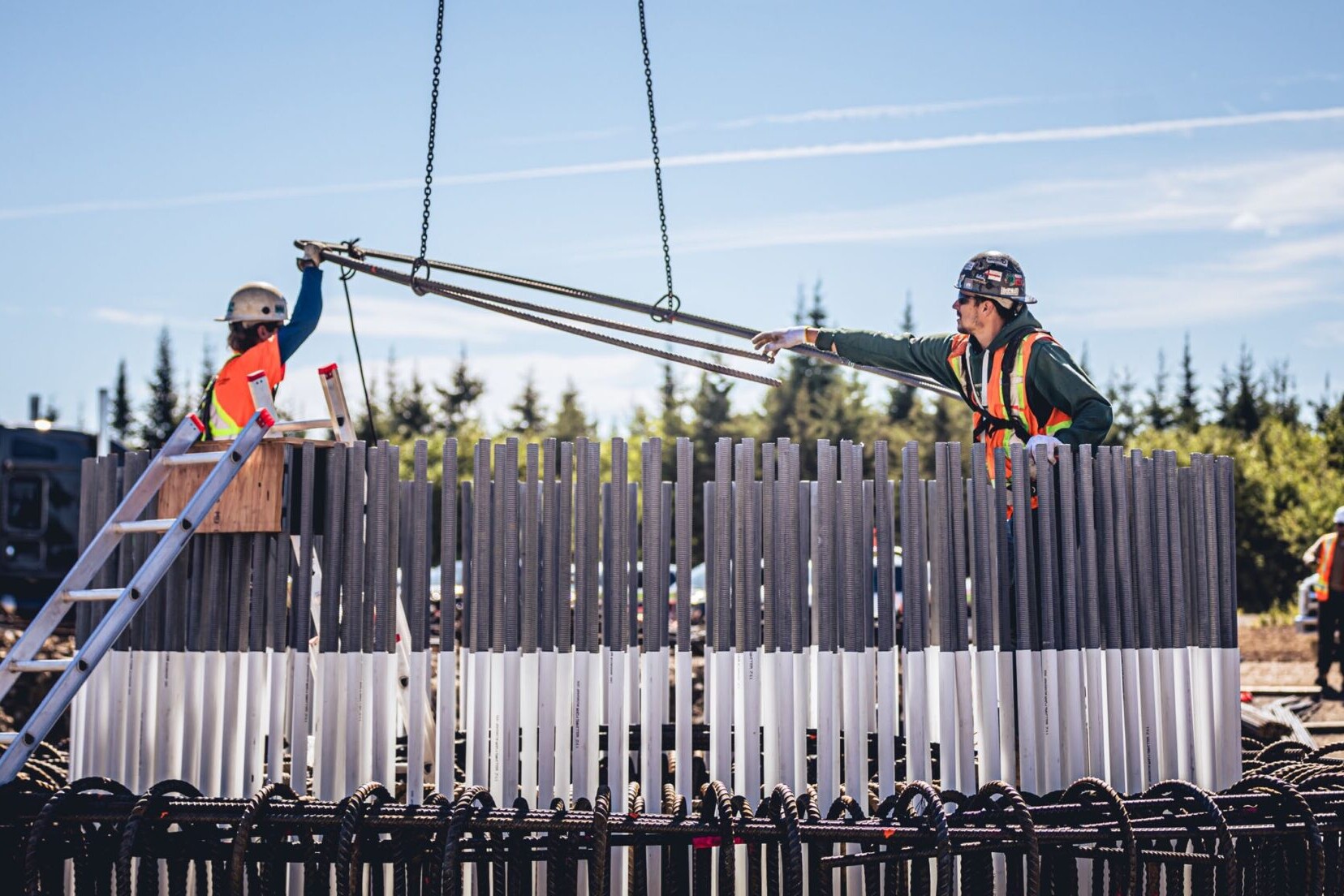
The project will generate job opportunities during construction and operations phases, with a strong focus on hiring local community members wherever possible.
During peak construction, the project will employ approximately 250 workers on site, generating significant short‑term employment.
Once operational, the project will support 5–10 long‑term jobs dedicated to Operations & Maintenance as well as contracting opportunities, ensuring stable employment opportunities within the region.
Support for Local & Indigenous Businesses
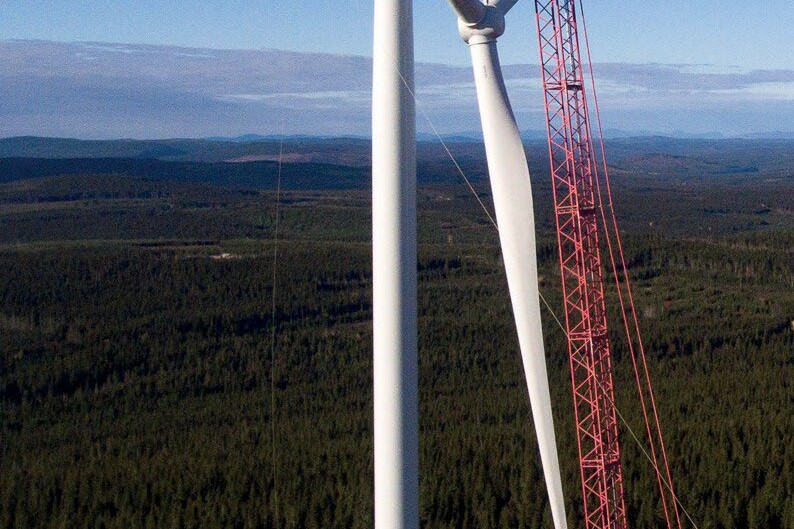
The project includes contracts for local and Indigenous businesses, creating opportunities for participation throughout construction and ongoing operations. This approach helps build local capacity, supports economic empowerment, and strengthens community partnerships.
Regional Economic Growth
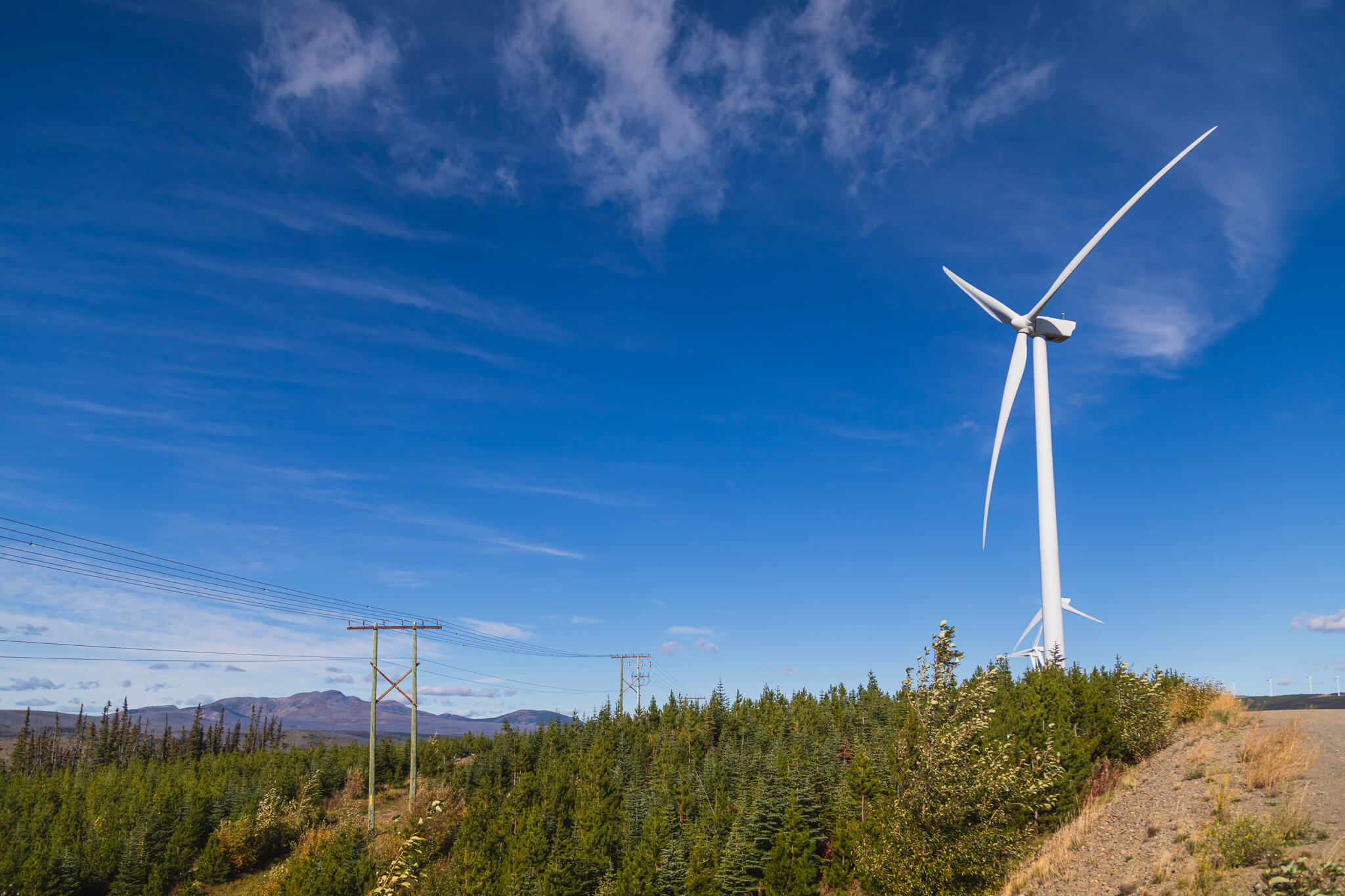
By producing clean energy and sourcing locally whenever possible, the project contributes to regional economic growth, encouraging long-term business development and resilience across the area.
Environmental Stewardship & Habitat Restoration
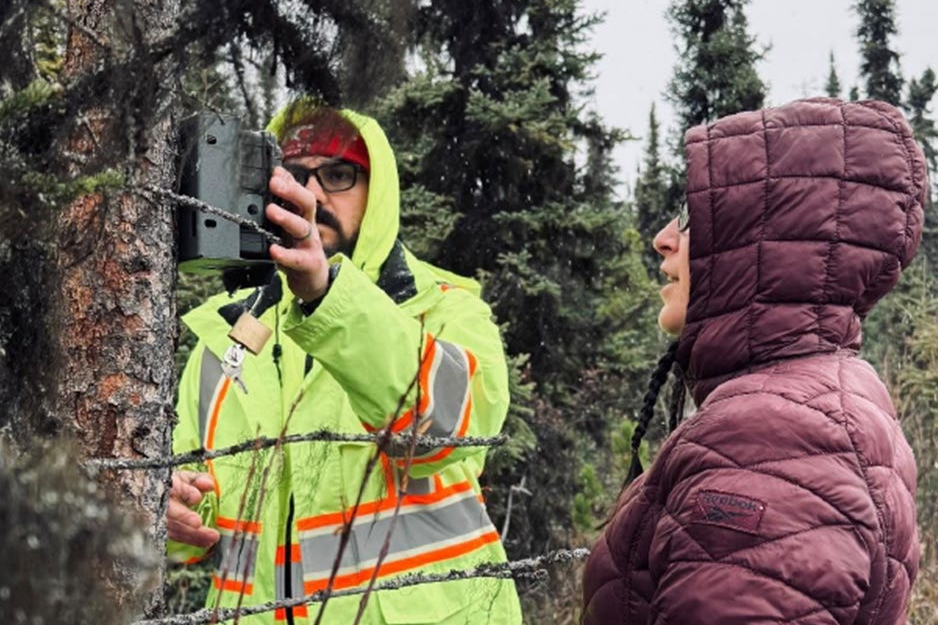
Environmental responsibility is a core project value. The project minimizes land disturbance by thoughtfully selecting areas where there are synergies with previous and current resource activities (forestry, mining) or past forest fires. This reduces new environmental impact and ensures avoidance of old-growth forests and other sensitive ecological sites.
We are committed to habitat restoration initiatives, including:
- The Endako Chinook Enhancement Program, supporting salmon population health and recovery.
- Moose habitat enhancement areas, designed to restore and improve critical wildlife habitat.
Community Well-Being & Resilience
Beyond direct economic and environmental benefits, the project supports long-term community well-being. By generating local power, creating jobs, and contributing taxes and revenue-sharing, the project strengthens the overall resilience of nearby communities.
Advancing Reconciliation
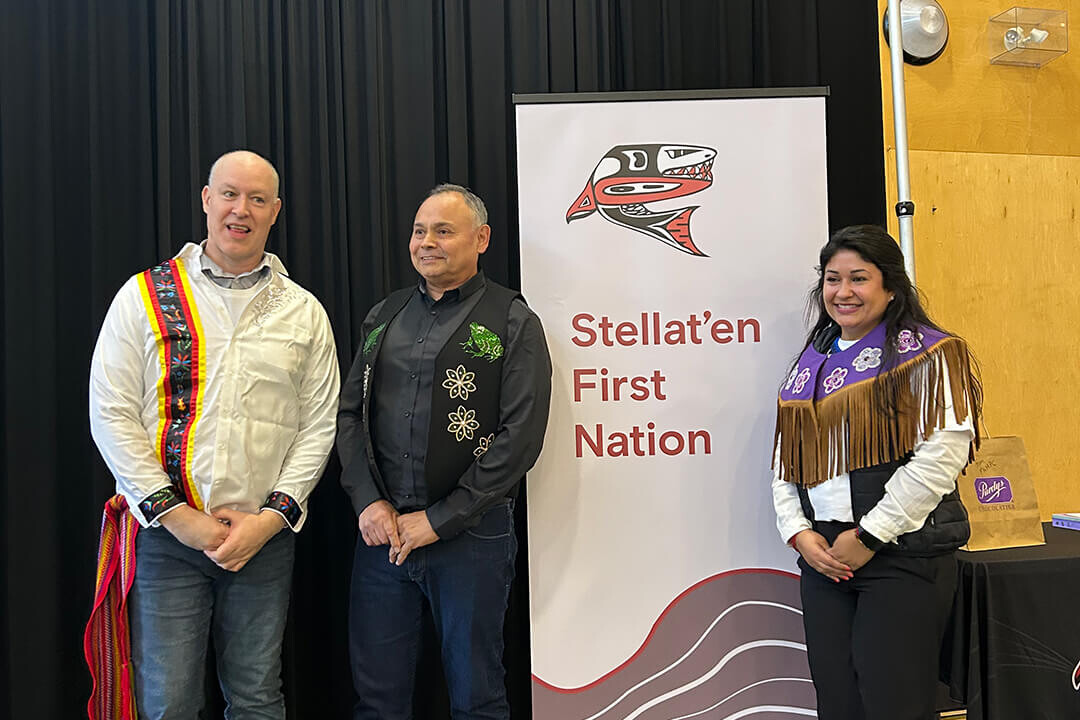
A key pillar of the project is advancing reconciliation through Indigenous partnership and leadership. Indigenous communities play a meaningful role in the project’s vision, decision-making, and long-term success, helping build a collaborative model for clean energy development in the region.